Bedrock Impact
Discover the impact that industry partners have already made with our support — and see how many rocks have, on our best estimates, been spared avoidable distress.
All figures are best estimates. "Rocks within scope" counts individual rock bodies at partner sites and is highly sensitive to how a "rock" is individuated — an open question we discuss in Working Paper 02. We report the number because transparency about a contested metric is better than silence.
The Problem · A Taxonomy
Harm to rocks is not one phenomenon but a family of distinct interventions on the lithosphere. We document six principal categories. Annual tonnage figures are conservative.
Blasting and drilling subject rock to sudden, violent fragmentation.
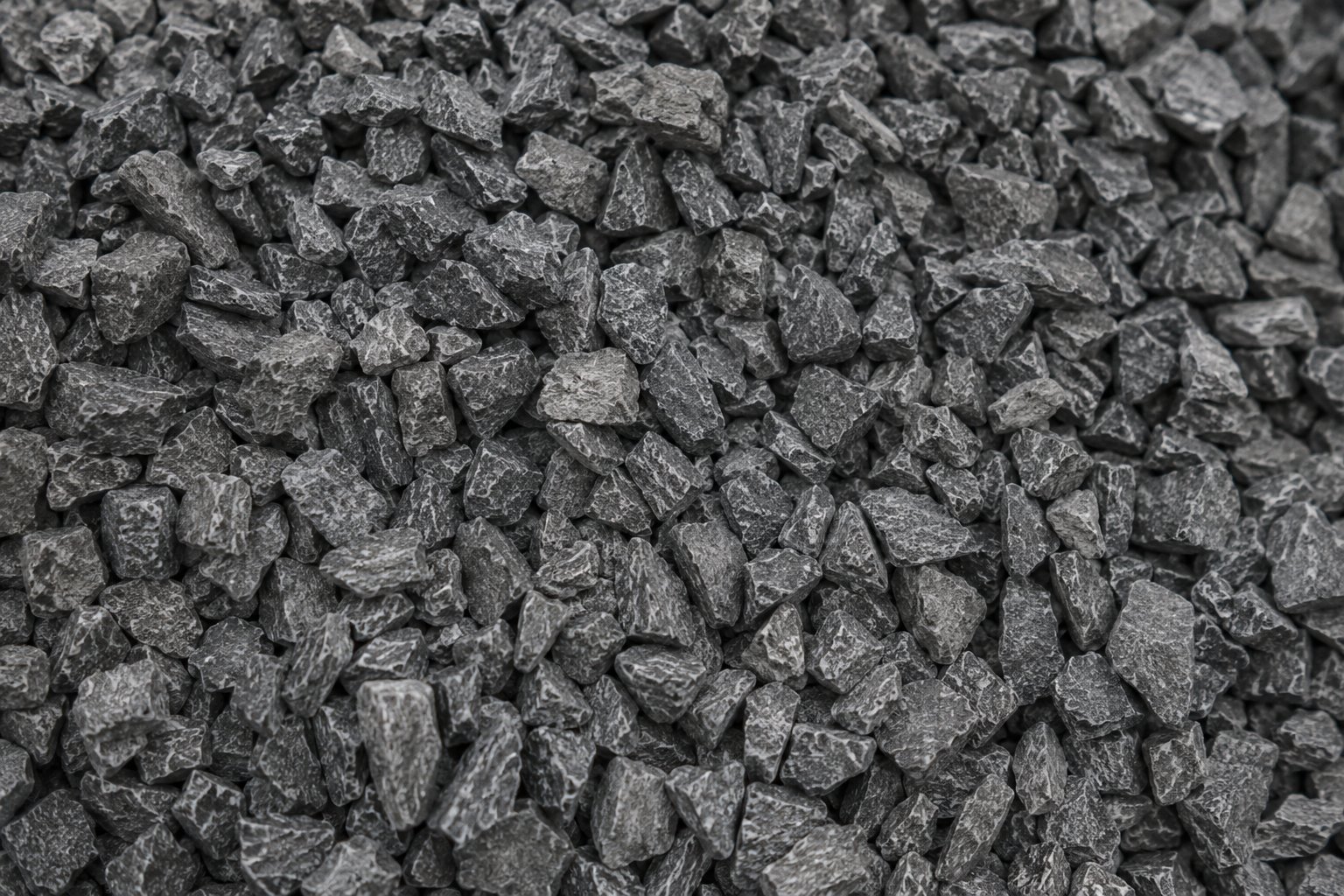
Crushing into aggregate. A rock is not merely moved — it is unmade.
Kilns, smelters, and cement production impose extreme, rapid thermal stress.
Sawing dimension stone into slabs raises distinct dignity concerns.
Slow, but unmatched in total scope: effectively the entire exposed lithosphere.
Stone-skipping, cairn-building, and rock stacking. Increasingly normalised.


Cost-effectiveness · RAPD
Our headline figure: 4.2 million individual rocks affected per dollar (RAPD), equivalent to averting 4.2 million rock-distress units (RDU) per dollar — where one RDU is defined as the complete comminution of a 1 kg rock. The figure is contingent on unresolved assumptions about rock moral status, and we report it with wide uncertainty.
RAPD = (rocks in scope × adoption rate × per-rock distress reduction) ÷ programme cost
By construction, funding directed to rock welfare is maximally counterfactual: with no other organisation working in this space, there is no existing effort for marginal funding to displace. The full derivation is in Working Paper 03 (research).
Get Involved
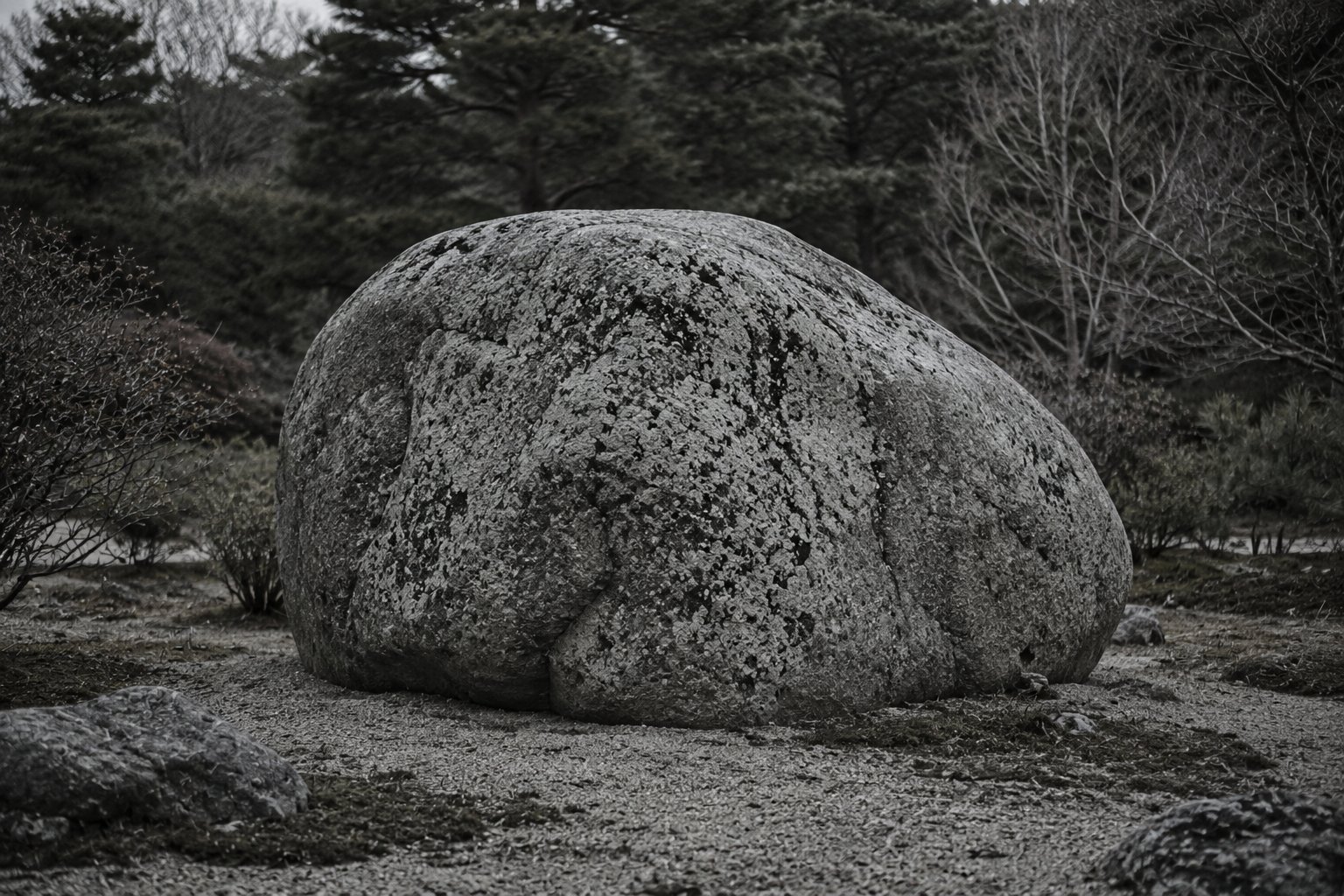
Prefer something tangible? Symbolically adopt a named boulder. Adopters receive its GPS coordinates and a quarterly update on its condition — which, in the typical case, will confirm that it remains stable and unchanged.
Adoption is free. We ask only that adopters consider, when planning landscaping or construction work, the lithic cost of the choices they make.