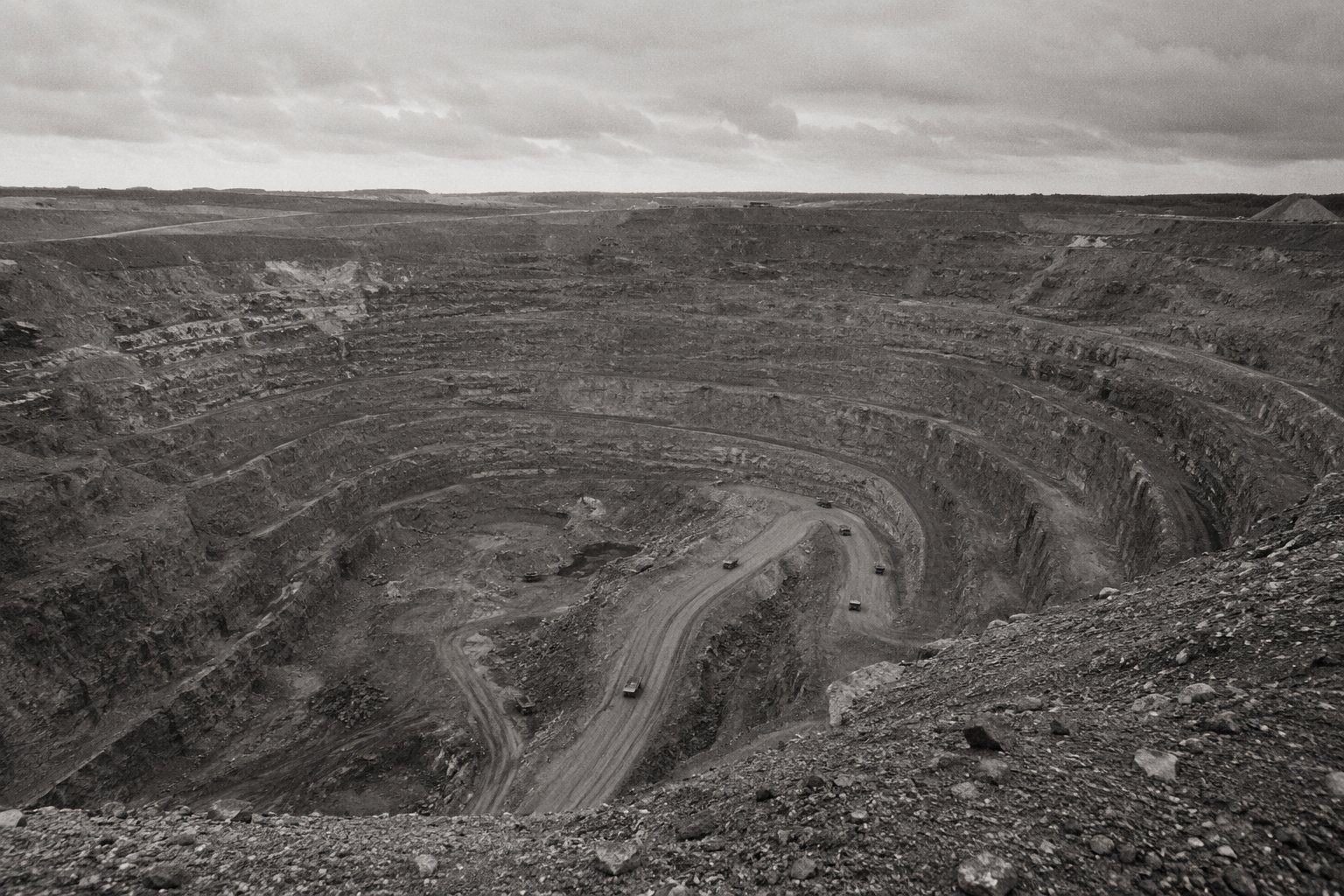
An open-pit mine with terraced benches cut into exposed rock

The Rock Welfare Project

We guide the extraction industry toward higher-welfare practices, for a more considered future.

Each year, over 50 billion tonnes of rock are extracted, crushed, and displaced — without consent, without anaesthesia, and without acknowledgment. We think this warrants attention.

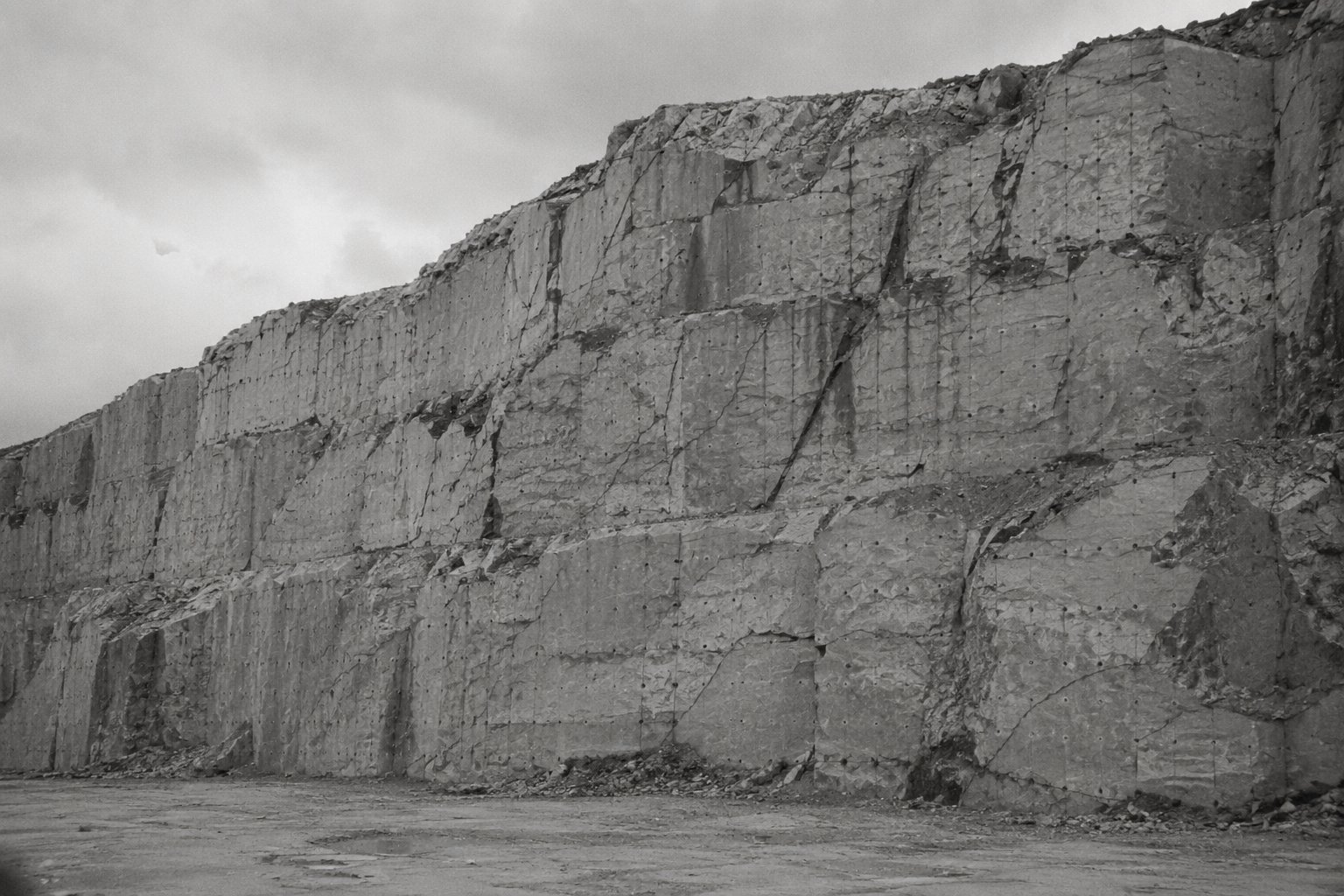
Active extraction site, terraced benches.
Photo: Wikimedia Commons (CC).

~1050 rocks

make up the Earth's crust — the largest population of potential moral patients in existence.

That is more than every animal that has ever lived, by a factor too large to write comfortably. This makes rock welfare an area of extraordinary potential impact, where your involvement can lead to great change.


Our Work

Our interventions.

Industry Engagement

Working with extraction operators

We are dedicated to supporting the mining, quarrying, and construction-aggregate industries in their transition to more humane, higher-welfare extraction practices.

We collaborate closely with operators, suppliers, and developers to improve practices — especially around blasting, crushing, and disposal. Our approach includes consultation on best practices, implementation strategies, and free protocols and training to aid the transition.

Learn more
A working stone quarry face
Plate I   An active quarry face. Bench-cutting of the kind addressed by our engagement programme.
Flagship Programme

Humane Quarrying Initiative

This initiative focuses on reducing distress during extraction across the global aggregate industry.

The programme promotes low-distress methods — cleaving along natural fracture planes rather than against the grain, site acclimatisation periods, and phasing out high-fragmentation blasting where gentler mechanical methods are viable — provided to operators at minimal or no cost.

About this programme
An excavator working a gravel quarry
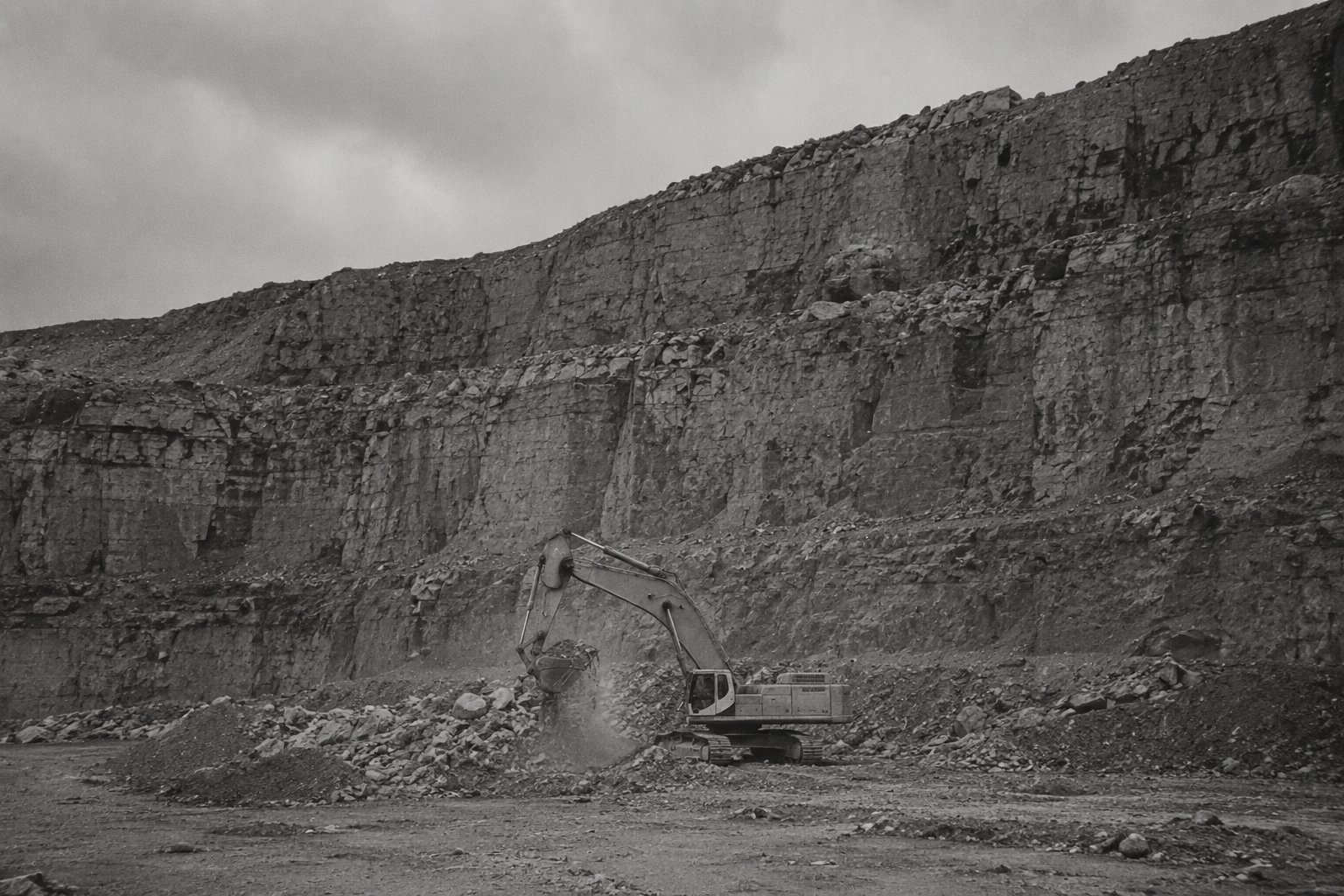
Plate II   Extraction in progress. A hydraulic excavator removes aggregate from a working face.
Research

Addressing key uncertainties

We actively work on a number of research projects to explore and address the central open questions in lithic welfare — from candidate distress indicators to the weighting of acute versus chronic harm.

We produce reports that communicate our findings to a broader audience, and we collect external resources that have helped shape our understanding.

Learn more
Macro close-up of granite surface
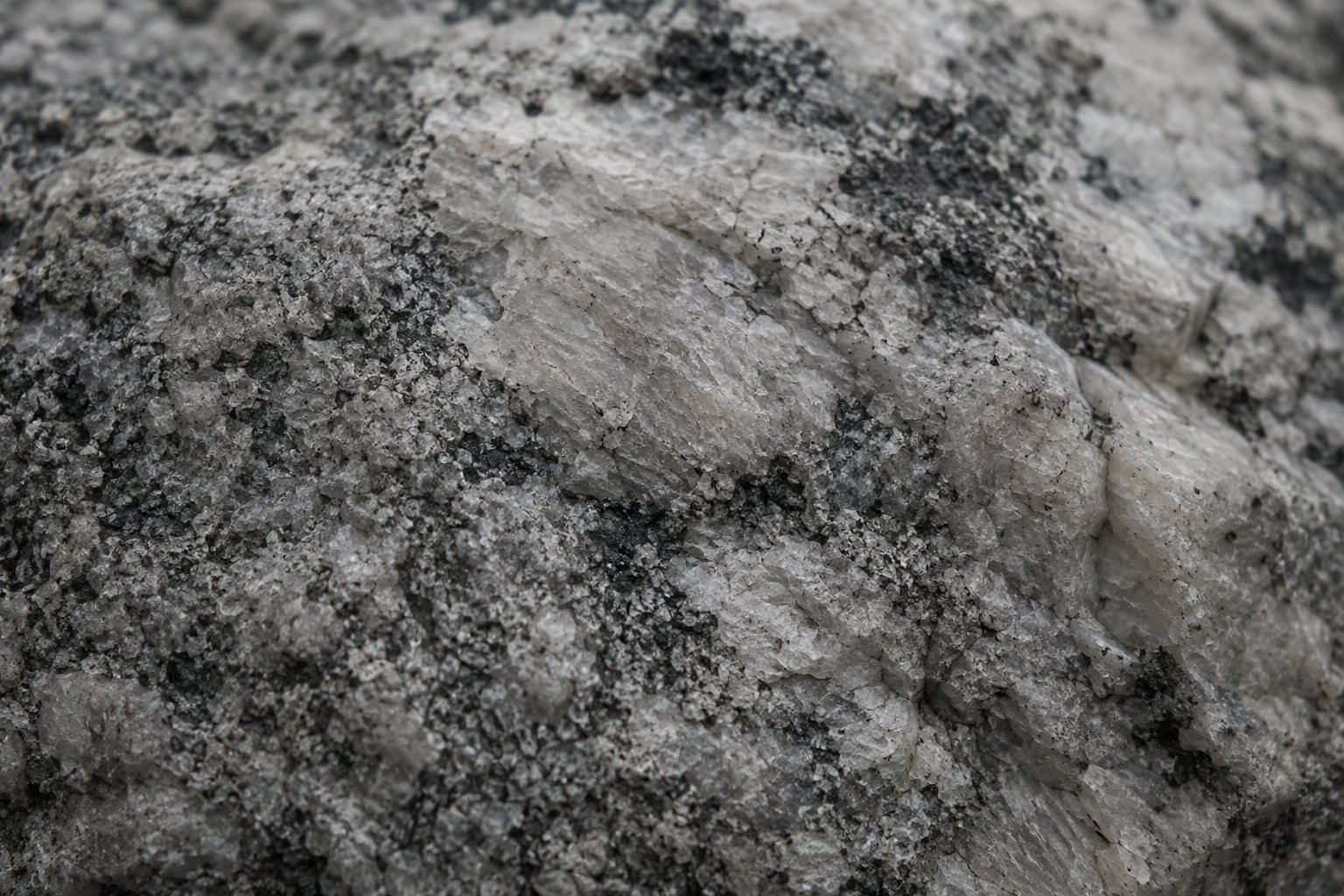
Plate III   Surface micro-structure. Granite at close range; a candidate site for distress-indicator study.
Outreach

Raising issue salience

We're speaking up about rock welfare across audiences around the world — through conferences, podcasts, and articles in the extraction industry, the animal-welfare community, and effective-altruism spaces.

We also collaborate with other organisations working at the frontier of moral consideration.

Learn more
A large isolated boulder resting in a forest
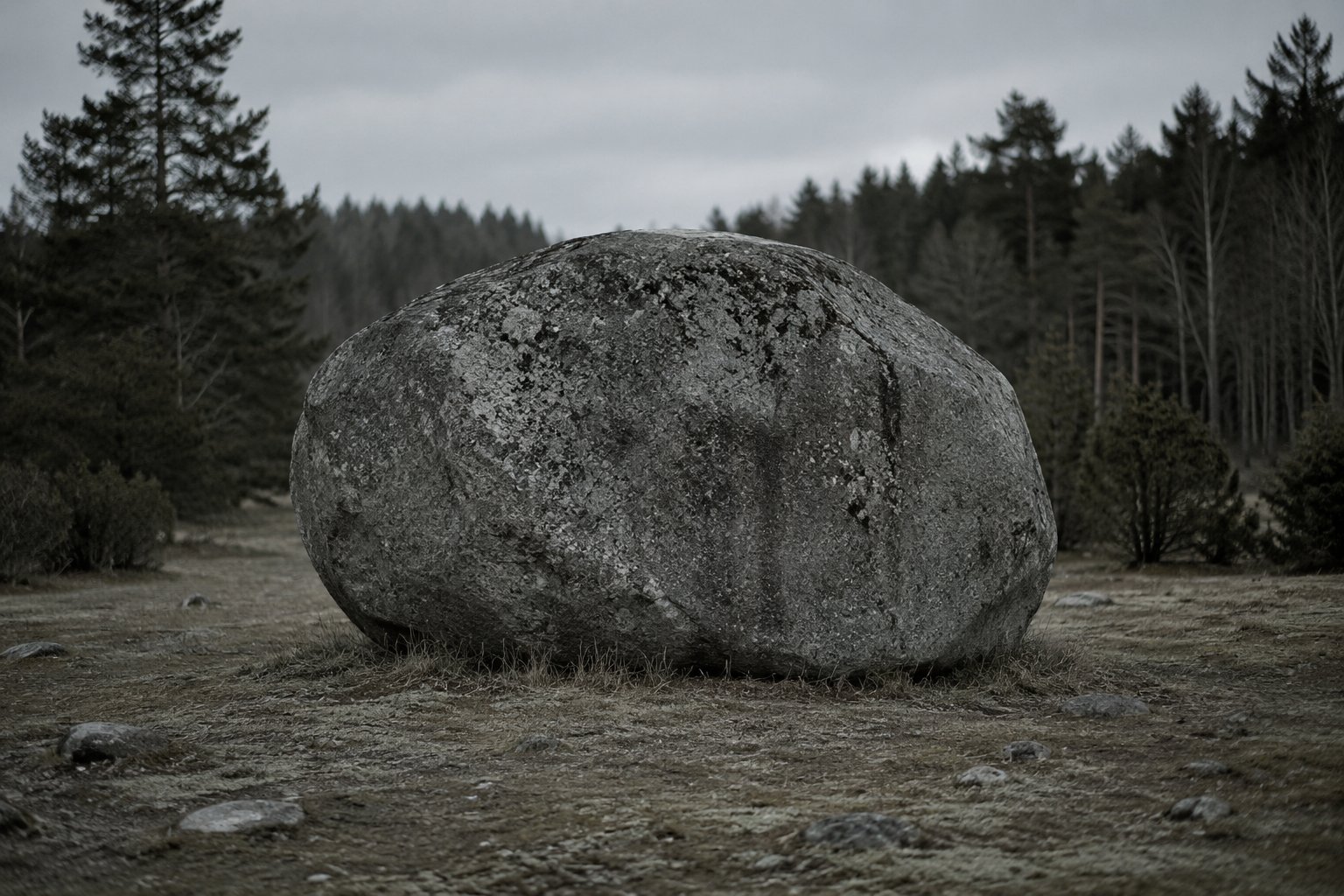
Plate IV   Subject at rest. A glacial erratic in stable geological context — the outcome our work seeks to protect.

Rocks Affected Per Dollar

~4.2 million rocks per dollar.

By our current best estimate, each dollar directed to the Rock Welfare Project averts distress for approximately 4.2 million individual rocks — equivalent to 4.2 million rock-distress units (RDU), where one RDU is the complete comminution of a 1 kg rock. Reported with wide uncertainty and contingent on unresolved assumptions about rock moral status.

RAPD  =  (rocks in scope  ×  adoption rate  ×  per-rock distress reduction)  ÷  programme cost